
Can Myopia Be Reversed?
May 1, 2026
Can Myopia Be Reversed?
If your child is squinting to see the board in class or scooting closer to the TV to see properly, you may have wondered what was happening to their vision. These everyday moments often signal the start of myopia, a vision condition that affects millions of families across Canada. At EyeTech Optometry of Richmond, we want you to know that it’s normal to wish you could turn back the clock on yourself or your child’s vision.
While myopia cannot be reversed, you can slow its progression and manage it effectively with the right approach and professional care.
What Myopia Can Mean for Your Family's Vision
Myopia, commonly called nearsightedness, makes distant objects appear blurry while close-up ones stay clear. You might notice yourself or your family members experiencing these common signs:
- Difficulty seeing distant objects clearly
- Squinting to focus on faraway things
- Eye strain and headaches
- Need for glasses or contact lenses
Myopia happens when the eye grows too long from front to back. This causes light to focus in front of the retina (the back of the eye) rather than directly on it, resulting in blurry vision.
The Reality About Myopia Management
Many parents ask if myopia can disappear completely once it develops. The answer involves understanding what "reversal" really means for your family's eye health.
Why Complete Reversal Remains Challenging
Your eye growing longer is a physically permanent change. Think of it like growing taller: Your eyes reach a certain length and mostly maintain that shape throughout your life.
What You Can Control
While you can't shrink the eye back to its original size, you can significantly slow the progression of myopia. This approach helps prevent your family from needing stronger prescriptions year after year and reduces the chances of various eye diseases as you age. Research shows that proper management can make a meaningful difference in long-term outcomes.
Natural Methods That Support Eye Health
Outdoor Time and Natural Light
Spending 1–2 hours outside each day can help reduce the risk of developing myopia in children and may help slow its progression. This is thought to be due to higher light exposure and more time focusing on distant objects. The 20-20-20 Rule.
Try to follow the 20-20-20 rule: Every 20 minutes during close work, look at something 20 feet away for 20 seconds. This simple habit helps reduce the strain that comes from constant near work, such as homework or screen time.
Proper Distance for Reading and Screen Time
Hold books and devices at arm's length when possible. Sitting too close for extended periods may contribute to myopia progression, especially in growing children who spend hours on tablets or reading.
Professional Treatment Options

Modern Technology
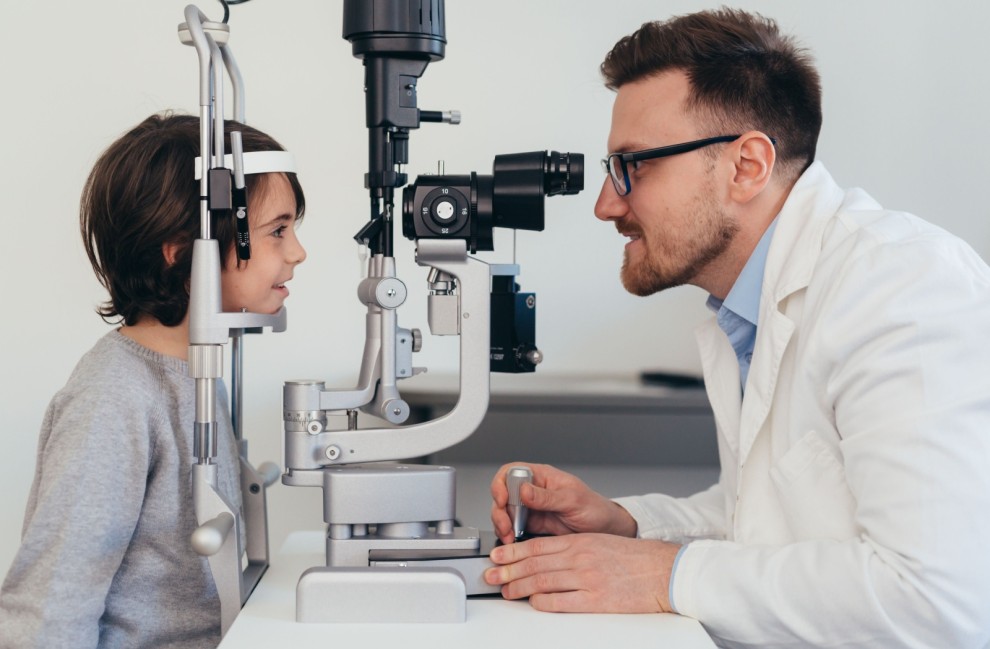
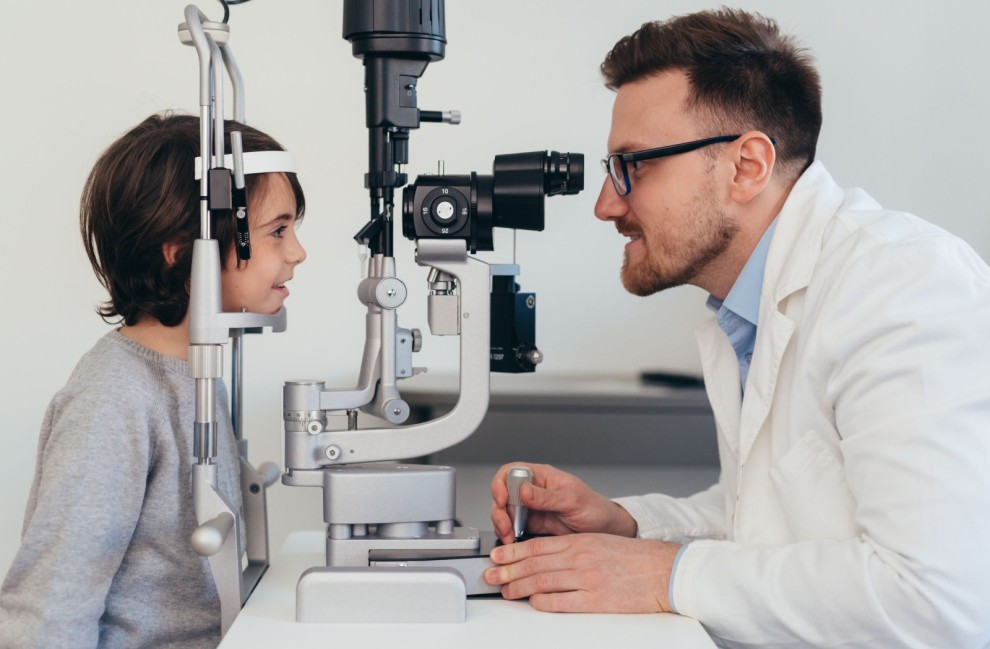
We’ve invested in the MYAH, a diagnostic device, which helps support myopia management by measuring and monitoring axial length. This allows the eye care team to track how a child’s eyes are changing over time and make more informed treatment recommendations.
For children who wear glasses, specialty spectacle lenses with DIMS technology, or Defocus Incorporated Multiple Segments, can also be an effective option. These lenses are designed to provide clear central vision while creating a myopic defocus effect around the lens, which helps signal the eye to slow excessive growth. Research has shown that DIMS spectacle lenses can help slow myopia progression and axial elongation in children compared to standard single-vision lenses. We have specific frame and lens packages that offer these specialty lenses at a competitive price point, and include unmatched warranty coverage, making myopia management more accessible and affordable for families.
MiSight daily disposable contacts are specifically designed for myopia control in children. Low-dose atropine eye drops can also slow progression when used under professional supervision as part of a comprehensive treatment plan.
Myopia Throughout the Years
Childhood and Teen Years
Myopia often progresses fastest during growth spurts, typically between ages 8 and 18. Your child's prescription might change every 6 months to 2 years during these active development periods, so myopia control during these years is most important.
Adult Stabilization
Most people see their myopia stabilize in their 20s, when overall body growth slows down. However, some adults experience changes in their prescriptions due to hormonal shifts, medications, or increased near-work demands.
Schedule Your Visit
At EyeTech Optometry of Richmond, our team offers comprehensive myopia management services tailored to your family's specific needs. We’re here to provide thorough assessments and create personalized treatment plans that fit your lifestyle and budget. If you’re looking for myopia management in Richmond, we encourage you to book your appointment.
We're here to help,
Dr. Lima